

How Apartment Amenities Affect Insurance Premiums (Reduce Risk & Costs)
How Apartment Amenities Affect Insurance Premiums (And What Owners Can Do About It)
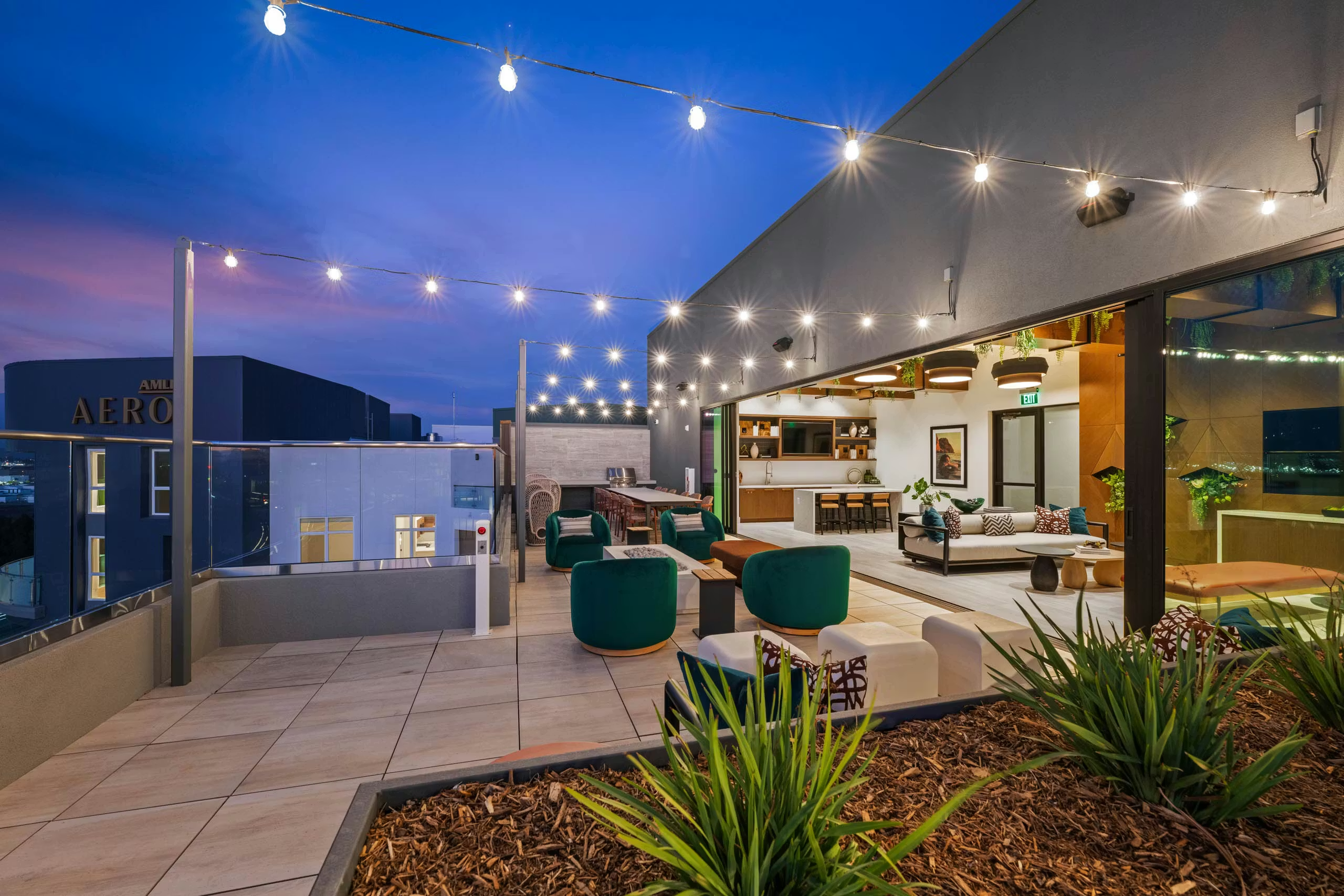
Swimming pools, fitness centers, rooftop lounges, dog parks, and clubhouses help properties compete for renters and justify higher rents.
But every shared feature also changes how insurers evaluate your building.
From an underwriting perspective, amenities introduce new frequency and severity pathways for loss — meaning more opportunities for someone to get hurt, and bigger potential lawsuits when they do.
For many owners, the surprise is not that premiums increase.
The surprise is how much, and why.
This guide breaks down:
- how insurers price amenity risk
- which features worry underwriters most
- documentation carriers expect
- practical ways to reduce premiums
- common mistakes that lead to non-renewals
Why Amenities Increase Insurance Costs
Insurance pricing is driven by two variables:
- Probability of a loss
- Potential size of the loss
Amenities increase both.
A hallway rarely creates a million-dollar lawsuit.
A pool, gym, or event space can.
When actuaries review historical claims data across multifamily portfolios, certain amenities repeatedly correlate with:
- bodily injury claims
- premises liability suits
- negligent security allegations
- assault or alcohol-related incidents
So underwriters build surcharges, exclusions, or higher deductibles into pricing.
Typical premium effect
Well-managed amenities might increase total insurance spend 5–20%.
Poorly controlled exposures can push increases far beyond that — or make coverage difficult to you obtain.
What Underwriters Evaluate Before Quoting
Before offering terms, carriers commonly look for:
- Written safety procedures
- Maintenance and inspection routines
- Access control methods
- Surveillance
- Resident rules
- Prior loss history
- Whether amenities are open to the public
If these are unclear, the risk profile worsens immediately.
High-Risk Amenities That Move Premiums the Most
Swimming Pools & Spas
Pools generate some of the most severe liability claims in multifamily housing.
Common claim scenarios
- slip and falls
- unsupervised children
- diving injuries
- entrapment
- waterborne illness
Possible insurance consequences
- 10–30% liability premium increases
- higher umbrella requirements
- mandatory safety upgrades
- exclusions if compliance is weak
Risk controls carriers expect
- four-sided isolation fencing
- self-closing/self-latching gates
- anti-entrapment drains
- visible depth markers
- strict posted rules
- documented chemical testing
Fitness Centers
Gyms create exposure beyond simple accidents.
Claims often involve:
- improper equipment maintenance
- failure to warn
- cardiac events
- negligent supervision
Underwriting hot buttons
- 24/7 unsupervised access
- absence of cameras
- lack of maintenance logs
- no posted usage guidelines
Common requirements
- waiver systems
- controlled entry
- routine inspections
- quick removal of damaged equipment
Clubhouses & Event Spaces
Once alcohol or outside guests enter the picture, severity potential rises fast.
Insurers worry about:
- fights
- overserving
- property destruction
- injuries in crowded settings
Renting to the public can fundamentally change your risk classification.
Mitigation expectations
- formal rental agreements
- certificates of insurance from vendors
- occupancy limits
- alcohol transfer of risk language
Playgrounds
Usually moderate in cost impact, but dangerous if outdated.
Carriers look for:
- age-appropriate equipment
- compliant fall surfaces
- documented inspections
- prompt hazard repair
Dog Parks (a fast-growing underwriting concern)
Breed issues, bites, and resident disputes have pushed many carriers to scrutinize these heavily.
Some insurers now request:
- leash policies
- posted rules
- vaccination requirements
The Documentation That Can Lower Your Premium
Underwriters love evidence.
Providing organized records can materially improve pricing:
- inspection logs
- maintenance tickets
- camera coverage maps
- lighting diagrams
- written procedures
- incident response protocols
The more predictable your operation appears, the better.
Operational Strategies That Help Control Costs
Establish routine inspections
Monthly at minimum. High-use amenities may require weekly reviews.
Control access
Key fobs or app-based entry reduce unauthorized use and help defend claims.
Use layered transfer of risk
Vendor contracts, renter agreements, and event renters should push liability away from ownership whenever possible.
Train staff on incident documentation
Poor reports weaken defense and raise future premiums.
Review amenities before adding them
A new feature may increase rent by $10 per month but cost far more in insurance.
When Amenities Lead to Non-Renewal
Properties typically run into trouble after:
- repeated slip-and-fall losses
- failure to maintain safety equipment
- missing documentation
- prior serious injury
Once multiple carriers decline, pricing can escalate quickly in the excess and surplus market.
Should You Carry Umbrella or Excess Liability?
For properties with pools, gyms, or event spaces, many professionals view $1M primary limits as inadequate.
Additional layers of $1M–$5M are common depending on:
- unit count
- resident demographics
- amenity mix
- claim history
Final Thought: Amenities Drive Revenue — But Also Litigation Potential
From a marketing standpoint, amenities attract residents.
From an insurance standpoint, they create environments where injuries can occur and attorneys can argue negligence.
Owners who treat amenities like managed risk systems — rather than perks — typically secure better pricing, smoother renewals, and fewer surprises.
Frequently Asked Questions About Amenities and Insurance
Do apartment pools increase insurance premiums?
Yes. Swimming pools are among the most significant liability drivers in multifamily housing. Insurers often require fencing, controlled access, and strict safety compliance, and premiums can rise 10–30% depending on prior losses and management practices.
Are apartment gyms a liability risk?
Fitness centers create exposure from equipment injuries, improper use, lack of supervision, and maintenance failures. Underwriters typically expect surveillance, posted rules, waivers, and documented inspection routines.
Will renting a clubhouse to the public affect insurance?
It can. Allowing non-residents to use event spaces may change the property’s risk classification and increase premiums. Carriers frequently require rental agreements, occupancy limits, and proof of insurance from event hosts or vendors.
Do dog parks increase liability for apartment owners?
They can. Dog bites, breed disputes, and resident conflicts have made dog parks a growing underwriting concern. Some insurers require posted rules, vaccination standards, and leash requirements outside designated areas.
How can owners reduce amenity-related insurance costs?
Maintaining strong documentation, enforcing access control, conducting routine inspections, and clearly communicating rules to residents can improve underwriting outcomes and sometimes reduce premiums.
What do underwriters look for when a property has amenities?
Carriers evaluate safety procedures, maintenance records, lighting, security measures, loss history, and whether amenities are restricted to residents versus open to the public.
Is umbrella insurance necessary for properties with amenities?
Many professionals recommend excess liability limits for communities with pools, gyms, or gathering areas because a severe injury lawsuit can easily exceed primary policy limits.